Analyze the performance & accessibility of your website for free.
Techlancers.systems
mobile app development services

Mobile App Development

Mobile apps built for real business workflows, not isolated demos. Connected to portals, dashboards, CRMs, ERPs, and the systems your team already depends on.

US SMB teams that need customer-facing or staff-facing mobile apps tied to the same source of truth as their backend systems.

mobile app development servicescross-platform app developmentbusiness mobile appsportal-integrated mobile apps
Chicago-based team, serving US SMBs nationwide (remote-first).
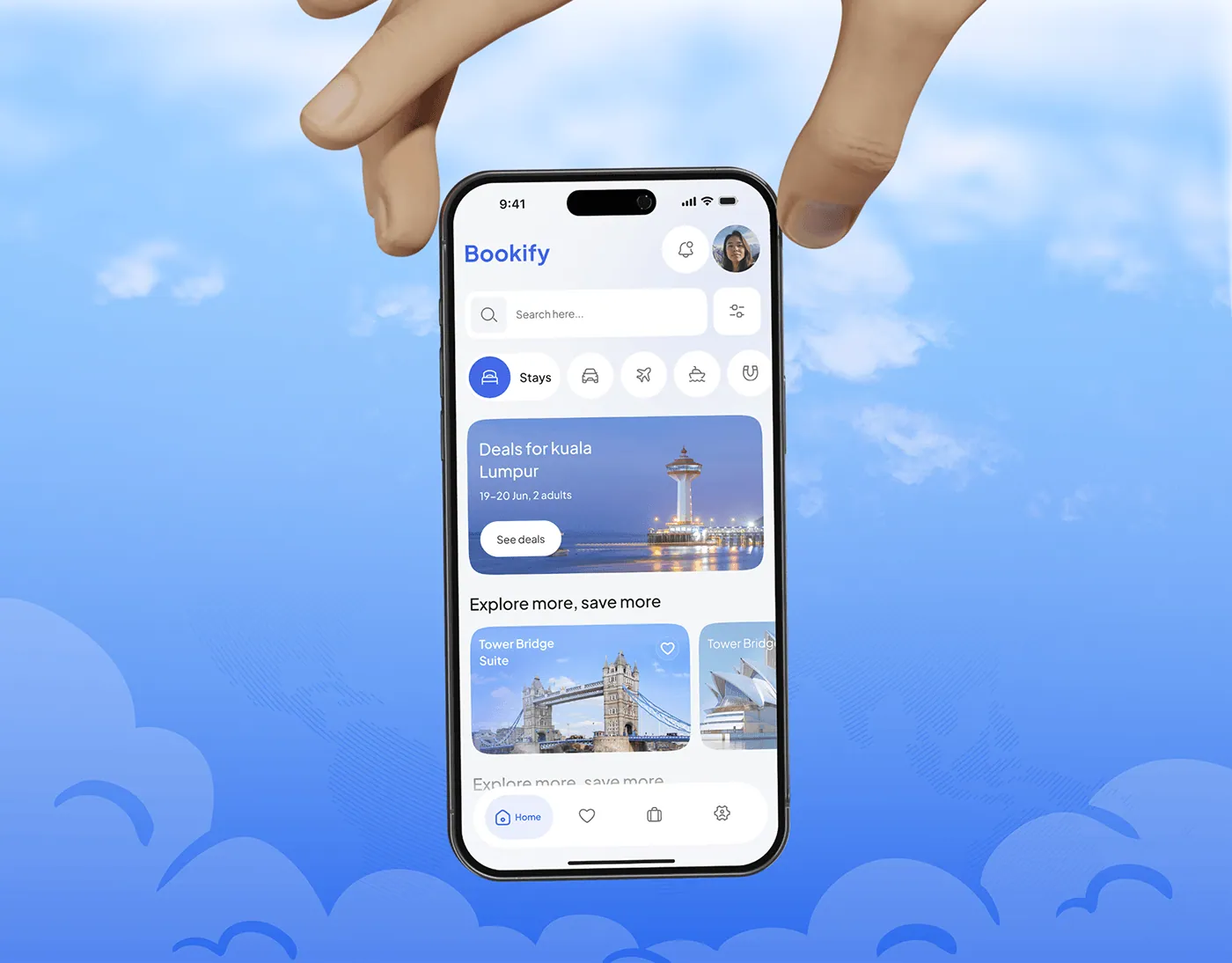
Mobile app preview with booking, search, and deal discovery interface
Mobile apps that connect cleanly to portals, ERPs, dashboards, and real business workflows.
UX Guide
0wk
Weeks to first testable mobile release
0%
Backend sync coverage for core flows
0px
Minimum tap-target standard
0
Shared source of data across app and portal
What is mobile app development services?
Mobile apps built for real business workflows, not isolated demos. Connected to portals, dashboards, CRMs, ERPs, and the systems your team already depends on.
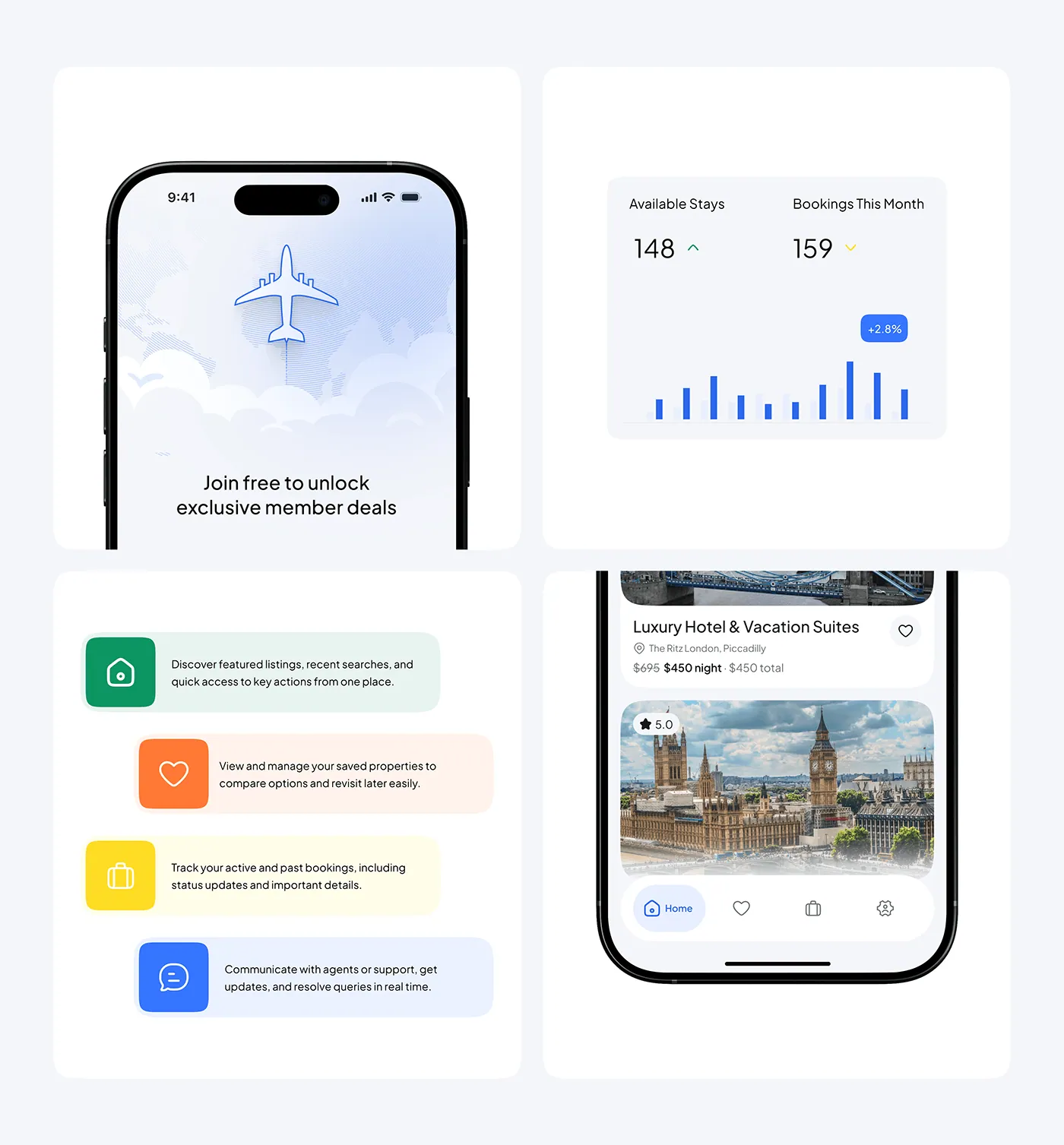
Travel and booking mobile app showing dashboard cards, search, and support actions

Mobile UX Built Around Real Context

Phone users are usually in motion, distracted, or trying to finish a task quickly. That is why we design mobile apps around context and immediacy: strong hierarchy, obvious tap targets, progressive disclosure, and the shortest path to the action that matters. The experience feels focused because it is designed for the device, not adapted to it later.

  • Large tap targets, clear spacing, and accessible contrast for real-world use
  • Primary actions surfaced early so users can complete tasks in a few taps
  • Navigation patterns that stay predictable across iOS and Android
  • Empty, loading, and error states that explain what happened and what to do next
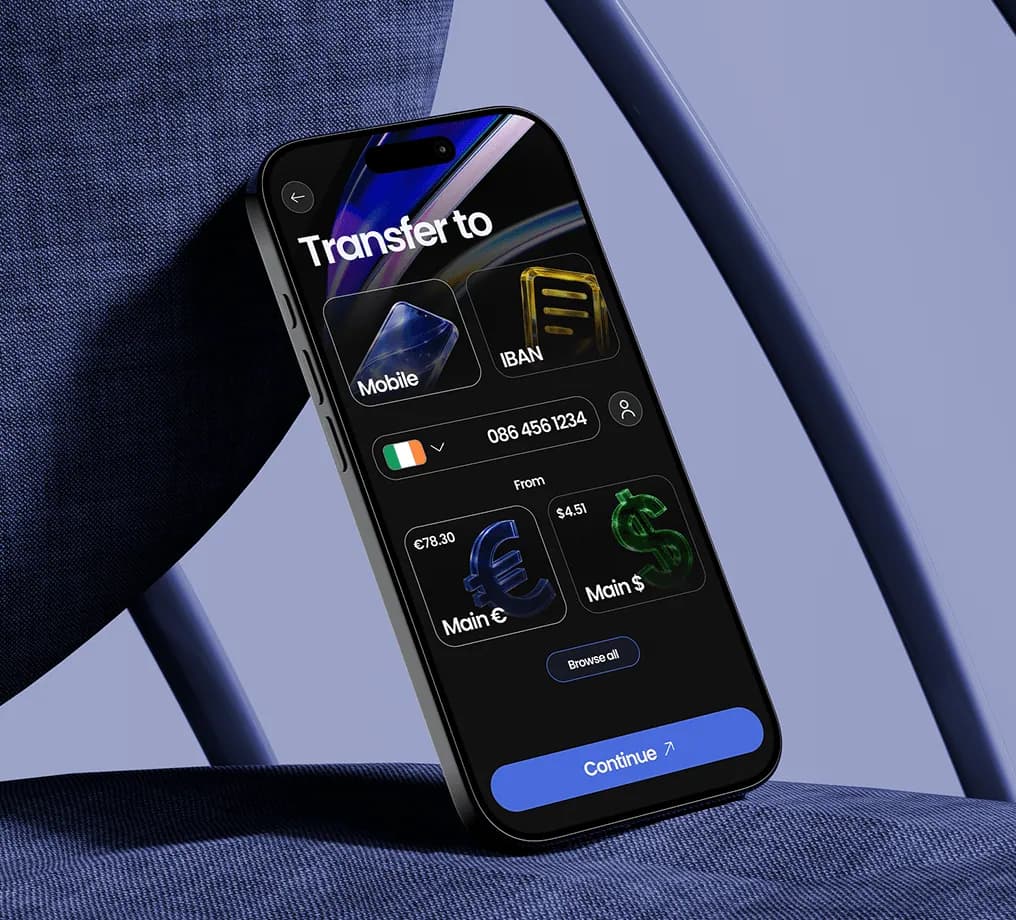
Mobile finance app screen for transfers, balances, and account actions

Connected to the Systems Behind the App

A mobile app becomes valuable when it is not an isolated frontend. We connect it to the same APIs, portal workflows, dashboards, and operational systems that run the rest of your business. That means bookings, payments, approvals, account changes, and notifications all stay aligned instead of fragmenting across tools.

  • Shared APIs so app, dashboard, and portal read the same records
  • Role-aware permissions that protect sensitive actions on mobile
  • Push notifications tied to real workflow events and status changes
  • Analytics instrumentation for activation, retention, and task completion

Mobile app flow walkthrough

A long-scroll product view showing how onboarding, discovery, search, loyalty, and actions connect inside one mobile experience.

Live preview
Drag enabled
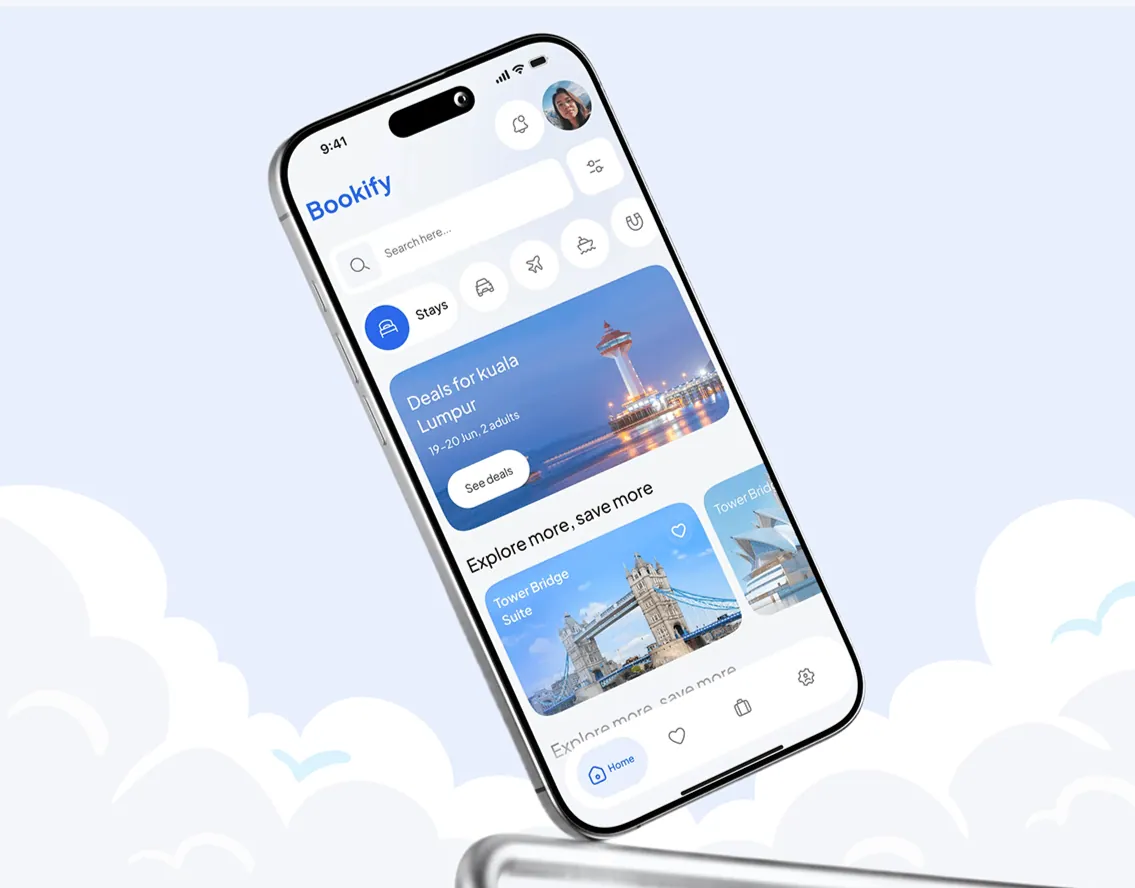
Mobile app flow walkthrough
A long-scroll product view showing how onboarding, discovery, search, loyalty, and actions connect inside one mobile experience.
Why this matters

Each preview is tied to a real deliverable. Hover, drag, and resize to explore the layout patterns.

Tip: press Esc to close the full layout viewer.

What changes when you work with us

Side-by-side breakdown so you can see exactly where the value shows up.

Without a system
With Techlancers
Mobile experience
Shrunken desktop ideas stuffed into a phone screen
Mobile-first flows built around context, speed, and obvious next actions
Backend connection
App data drifts from the portal, ERP, or dashboard
Shared APIs and clean sync keep app and back-office systems aligned
Release quality
Buggy builds with unclear handoff between design and engineering
Structured QA, performance checks, and release-ready builds from day one
Retention
Users open the app once, then fall back to email or browser
Useful actions, push-friendly flows, and crisp UX that earns repeat usage

What we deliver

Every deliverable is scoped, documented, and built to production standards.

Cross-platform mobile app UX with real business workflows

We design every screen around the task the user is trying to complete on a phone, not a desktop feature list squeezed into a smaller frame.

API integration with portals, dashboards, ERPs, or CRMs

The mobile app shares the same source of truth as your internal systems so updates, statuses, and records stay consistent everywhere.

Authentication, notifications, and offline-aware states

Secure login, status alerts, and graceful handling of weak connections keep the app dependable in real usage conditions.

Release pipeline, QA coverage, and production rollout support

We set up testing, build signing, environment management, and launch support so releases ship cleanly and predictably.
How it works

Click each step to see the output. Clear phases with measurable milestones at every stage.

Step 1 of 3

Map

Output: User flows, backend dependencies, and first-release scope

Designed to be reviewable by stakeholders in minutes, not days.
Built for predictable iteration with no surprises late in the build.

Our Approach to Mobile App Development

We treat the app as one part of the whole system. First we define the mobile jobs-to-be-done, then we connect those flows to the portal, dashboard, ERP, or backend that powers the business. The result is not just a polished app screen. It is a fast, reliable mobile product that makes your larger system more useful.

3 weeks

First testable build

100%

Core sync coverage

44px

Tap target floor

1 source

Shared backend

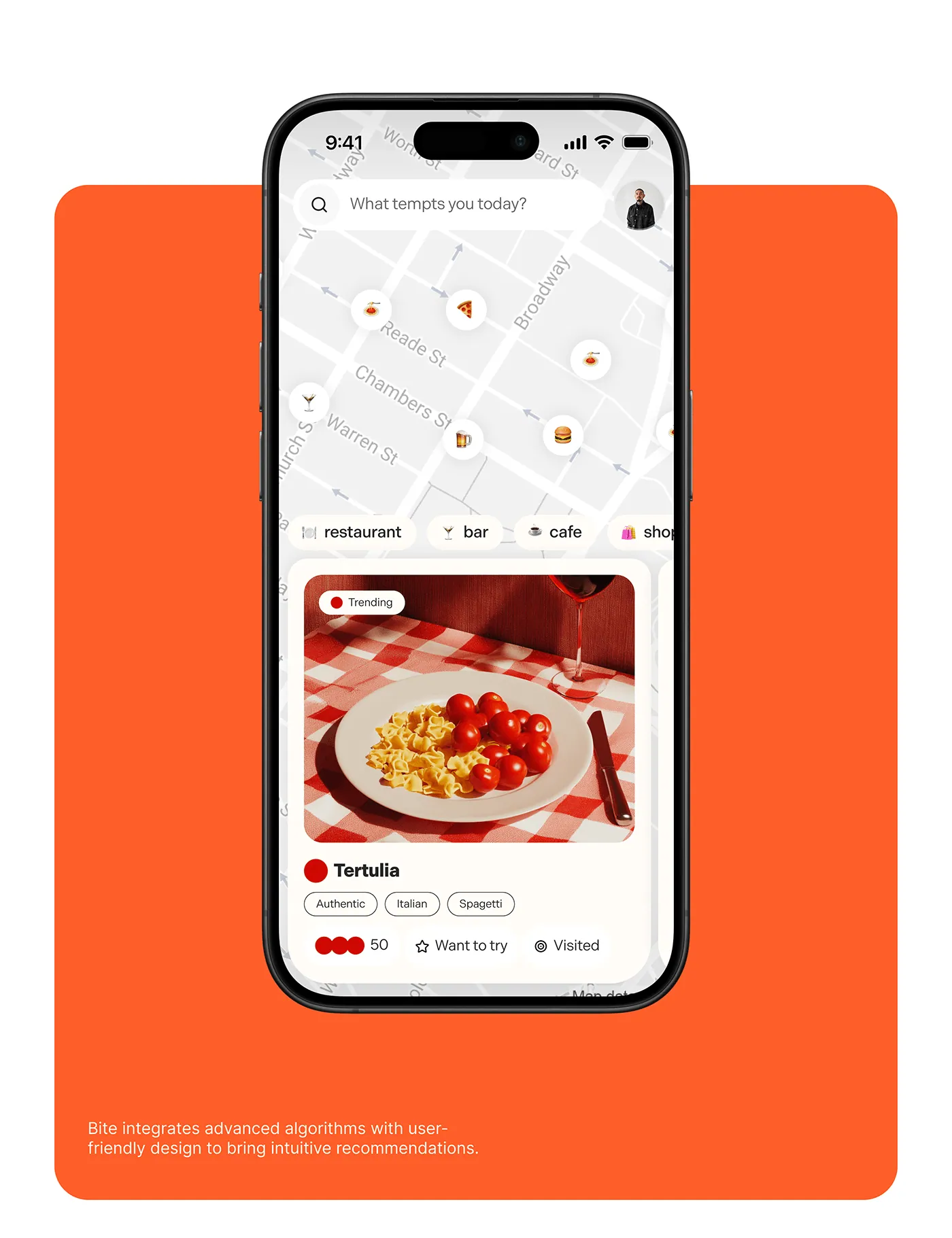
Restaurant discovery mobile app with search, map, and recommendation flow

Tech stack and tools

We pick tools based on your constraints, not trends. Hover each card to see why it is in the stack.

AppDeviceBackendDataNotificationsRelease
React Native / ExpoApp

Hover to see why we use this

Native ModulesDevice

Hover to see why we use this

Next.js / Node APIsBackend

Hover to see why we use this

PostgreSQLData

Hover to see why we use this

Firebase / APNs / FCMNotifications

Hover to see why we use this

App Store / Play Store OpsRelease

Hover to see why we use this

Common use cases

Click a use case to see how this service applies to your situation.

Customer self-service apps

Let users browse, book, pay, track status, and manage their account without needing a desktop session.

Fixed scope with clear milestones so you know exactly what ships and when.
Measurement built in from day one so you can prove ROI to stakeholders.
Cross-platform app buildsPortal integrationPush notificationsMobile-first UXOffline-aware statesSecure authAPI syncTask completionStore release opsUsage analyticsCross-platform app buildsPortal integrationPush notificationsMobile-first UXOffline-aware statesSecure authAPI syncTask completionStore release opsUsage analytics

Mobile Flows That Hold Up in Production

Fast First Action

The first useful action should be reachable in seconds, not buried under setup friction.

Shared Data Layer

Your app reads the same business data as the portal, dashboard, and internal systems.

Push With Purpose

Notifications are tied to real events and next steps, not generic engagement spam.

Field-Ready UX

Large tap areas, visible state, and offline-aware handling help the app work in imperfect conditions.

Store-Ready Builds

Signing, environments, QA, and rollout planning are handled before launch day.

Retention by Utility

Users come back because the app saves time and keeps them informed, not because it looks pretty.

Why Good Mobile Apps Feel Simpler

Mobile products win when they remove decisions. Users should always know where they are, what they can do next, and whether an action succeeded. We simplify flows screen by screen, reduce cognitive load, and make sure the app feels responsive even when the backend is doing heavier work in the background.

Integration Is Where the Real Value Lives

A standalone app may look polished, but it creates more work if it does not stay aligned with the systems behind it. We connect mobile actions to the same APIs and workflows that power portals, dashboards, and back-office operations. That gives users real utility and gives your team one consistent source of truth.

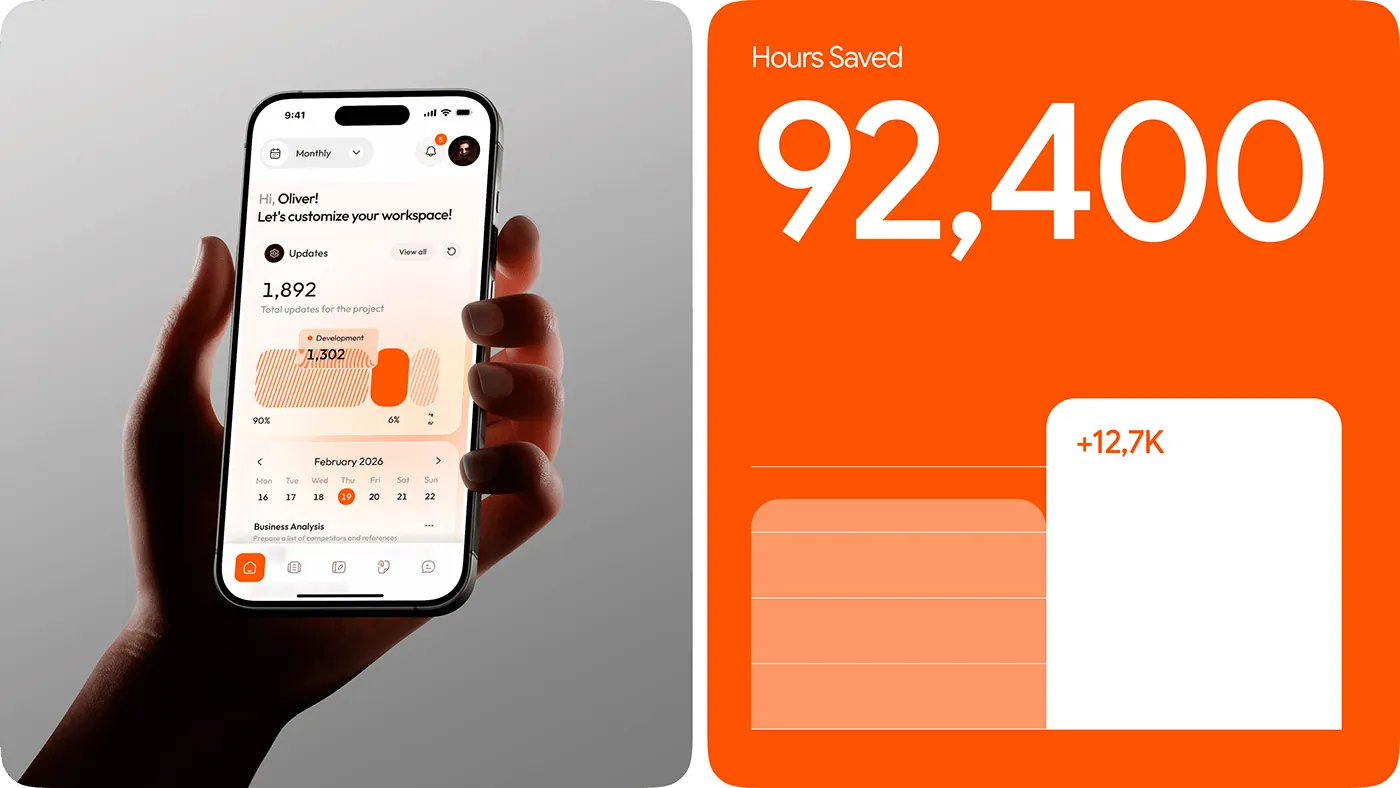
Mobile workspace app with progress metrics and dashboard cards

Operational mobile views should surface the few actions that matter right now, not bury users in desktop-style menus.

Mobile Product Delivery Timeline

From workflow mapping to beta release without bloated handoff cycles.

Flow Mapping

Week 1

Define mobile jobs-to-be-done, backend dependencies, and the first launch scope.

Deliverable

Clickable app flow and API dependency map

Phase 1 of 4

Mobile Experience: Generic vs Product-Focused

Generic App Build

Too many steps, desktop logic copied onto mobile

Integrated Mobile System

Focused flow built around the fastest path to action

Generic App Build

App data drifts from portal and internal tools

Integrated Mobile System

Shared APIs keep records, statuses, and alerts aligned

Generic App Build

Manual builds and launch-day surprises

Integrated Mobile System

Structured QA, signing, rollout, and monitoring

Generic App Build

Users open once, then switch back to old channels

Integrated Mobile System

Useful recurring actions that earn repeat usage

Measurable outcomes

Every engagement is measured against real business metrics. Here is what you should expect.

Higher repeat usage

The app gives users a faster path to common actions, so they return instead of falling back to email or a browser.

Fewer support requests

Self-service flows and push-driven status visibility answer common questions before they become tickets.

Better cross-system consistency

The app, portal, and internal dashboard all reflect the same underlying data and workflow state.

Faster field execution

Mobile-first task flows help teams act in the moment instead of waiting to get back to a laptop.

Frequently asked questions

Straight answers to the questions we hear most. Need something more specific? Book a quick call.

Can the mobile app connect to our existing portal or ERP?

Yes. We design mobile apps around the same APIs and business logic that power your existing systems so data stays aligned across every touchpoint.

Do you build for both iPhone and Android?

Yes. We typically use a cross-platform approach so you get a consistent product on both platforms with one maintainable codebase.

Can the app support notifications and secure login?

Yes. We handle authentication, role-based access, push notifications, session behavior, and secure integrations as part of the build.

How long does a mobile app MVP take?

A focused MVP usually reaches a testable stage in about 3 to 5 weeks, depending on the backend complexity and release scope.

Can you help with App Store and Play Store launch?

Yes. We handle build signing, environment setup, QA preparation, and launch support for both stores.

What if we already have a web app?

That helps. We can reuse the business logic, data model, and API layer where it makes sense while designing the mobile experience around phone-specific use cases.

Ready for a build plan?
Book a quick fit call. Response in 24 hours.