custom software development
Custom Software, Portals & Internal Systems
Software tailored to how your business actually runs. Internal tools, client portals, workflow automation, and role-based systems.
US SMB teams drowning in manual work, fragmented tools, and inconsistent data.
custom software developmentclient portal developmentinternal toolsworkflow automation
Chicago-based team, serving US SMBs nationwide (remote-first).
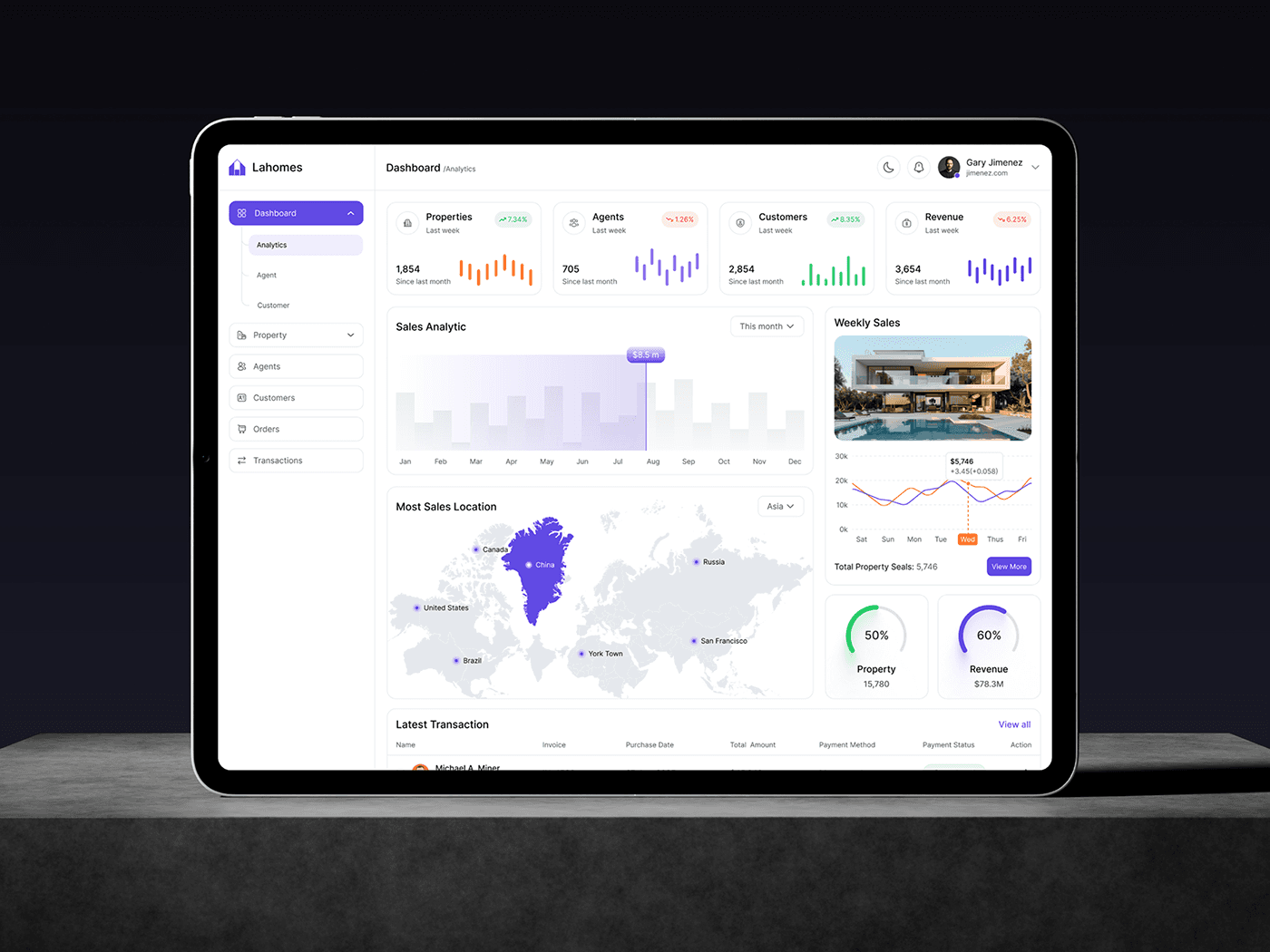
Custom portal interface thumbnail
Role-based portals and internal systems that reduce manual work.
0%
Reduction in manual workflow steps
0wk
Week MVP delivery for core features
0%
Role-based access control coverage
0.0%
Uptime target for production systems
What is custom software development?
Software tailored to how your business actually runs. Internal tools, client portals, workflow automation, and role-based systems.
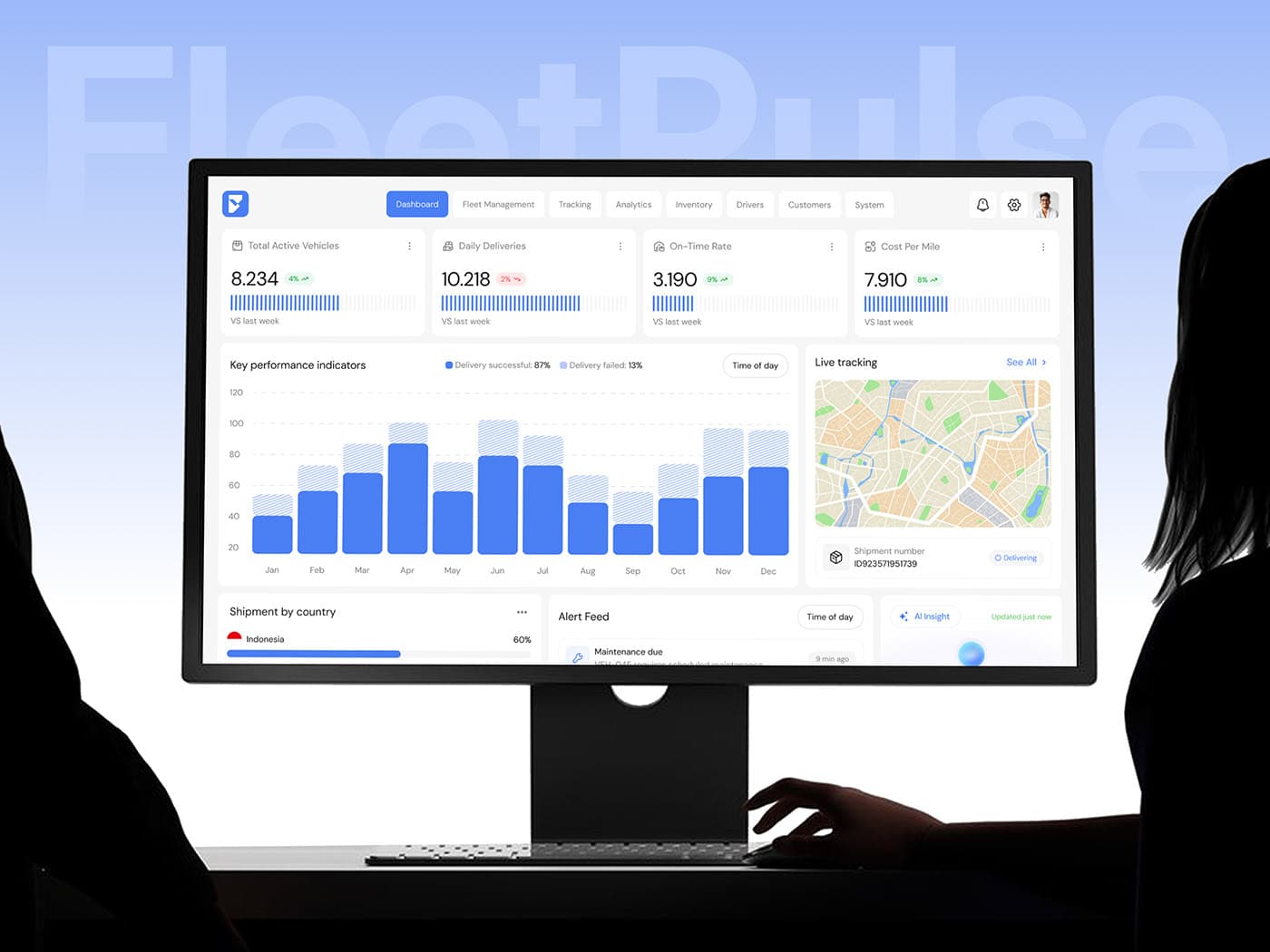
Replacing Manual Workflows with Reliable Systems
Manual workflows cost money in two ways. First, the labor: hours spent copying data between tools, sending status update emails, and managing approvals in spreadsheets. Second, the mistakes: duplicate entries, missed follow-ups, and decisions made on stale data. We map your real process, then build software that handles the repetitive parts automatically.
- Task routing with conditional logic and automatic assignment rules
- Approval chains that notify the right person at the right time
- Status tracking visible to all stakeholders without email requests
- Automated notifications for deadlines, escalations, and completions
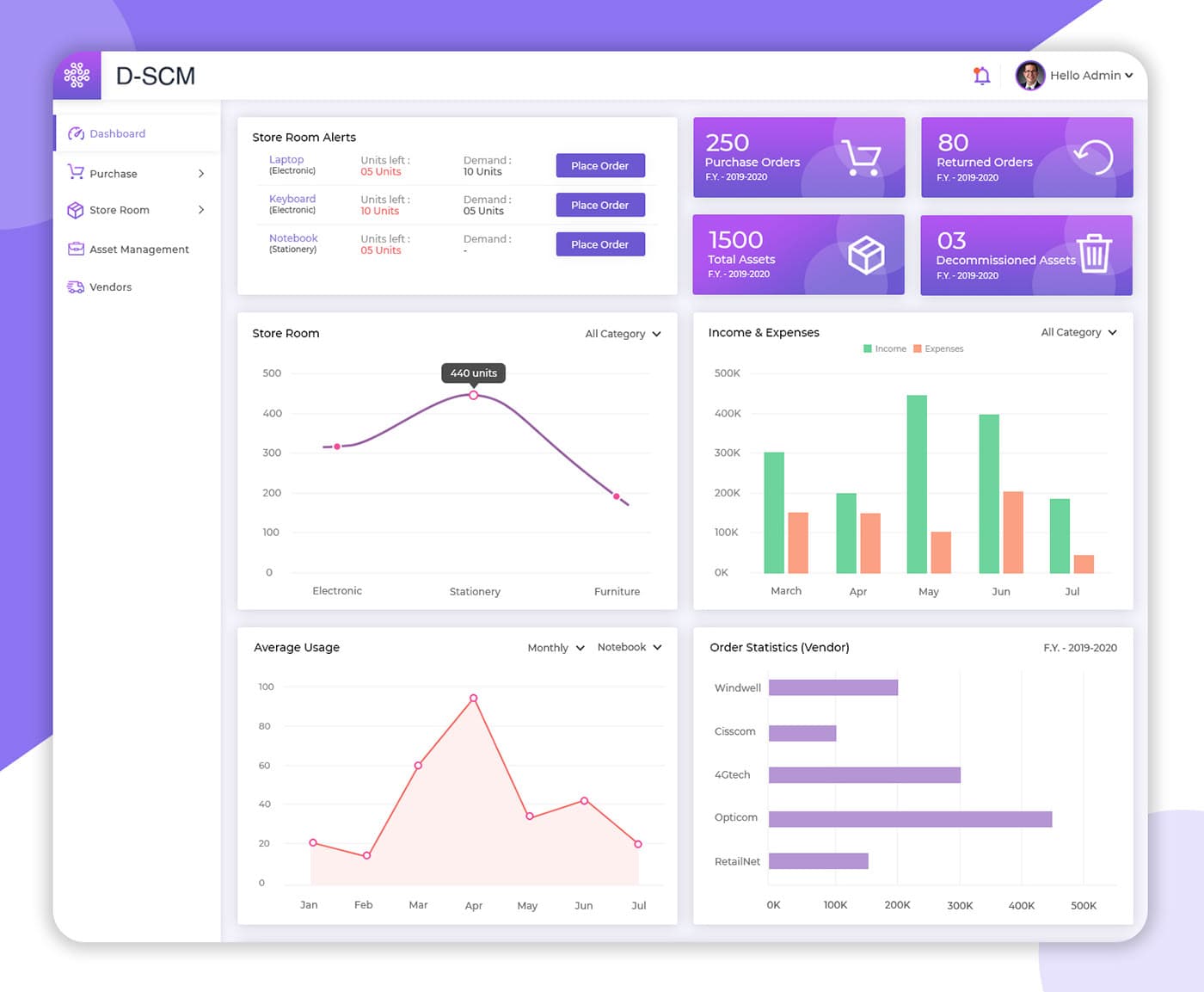
Building for Your Team's Reality
Generic tools force your team to work around someone else's assumptions. We start by observing how your team actually operates, then build software that matches those patterns. The result is a system people actually want to use because it makes their job easier instead of adding another tool to learn.
- Interface designed around your team's daily tasks and priorities
- Role-based views that show each person exactly what they need
- Integration with existing tools your team already depends on
- Training and documentation included so adoption happens smoothly
Role-based portal layout (scroll preview)
A full layout example showing how complex flows can still feel simple and guided.
Live preview
Drag enabled
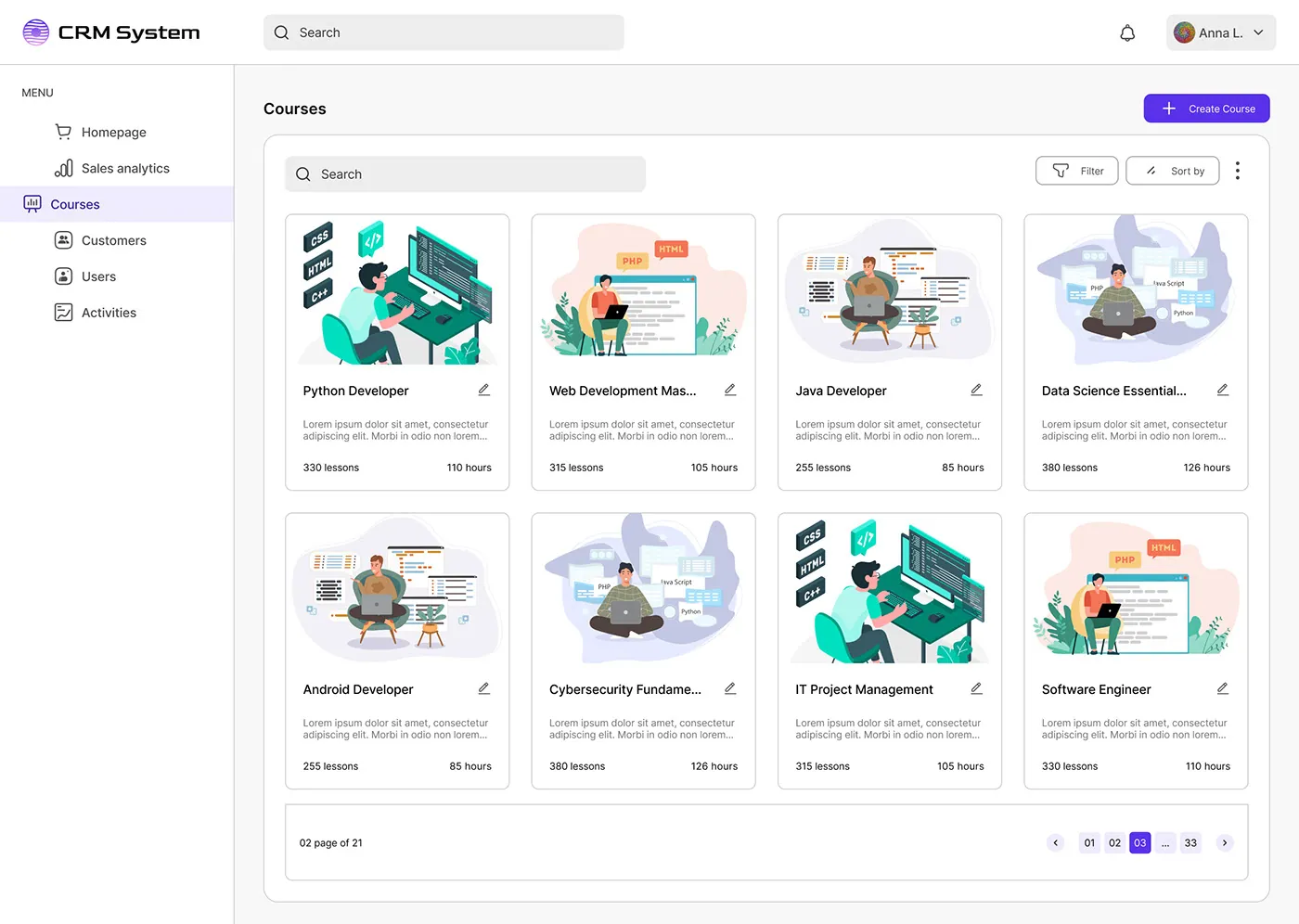
A full layout example showing how complex flows can still feel simple and guided.
Why this matters
Each preview is tied to a real deliverable. Hover, drag, and resize to explore the layout patterns.
Tip: press Esc to close the full layout viewer.
What changes when you work with us
Side-by-side breakdown so you can see exactly where the value shows up.
Without a system
With Techlancers
Manual work
Hours of copy-paste, email chains, and spreadsheet updates
Automated workflows with validation, routing, and notifications
Accountability
No record of who did what or when things changed
Full audit trails with timestamps, user attribution, and history
Access control
Everyone sees everything, or key people are locked out
Role-based permissions that match your org chart and policies
Client experience
Clients email for status updates and chase invoices
Self-service portal with real-time status, uploads, and payments
What we deliver
Every deliverable is scoped, documented, and built to production standards.
Role-based portal or internal tool with clear permissions
Every user sees exactly what they need based on their role, with granular controls that match your actual organizational structure.
Workflow automation to reduce manual ops and errors
Structured task routing, approval chains, and notifications that replace email-based processes with reliable automation.
Auditability (who did what, when) for accountability
Complete change history with timestamps and user attribution so you can trace any action back to its source.
Deployment + monitoring baseline so it's production-ready
Hosting, error tracking, uptime monitoring, and backup systems configured before launch so your tool works reliably from day one.