CRM system architecture
CRM, ERP & Business System Architecture
We architect systems, not just install tools. CRM, ERP-style operations, integrations, and data flow design built around how your business actually runs.
US SMBs that need one source of truth, fewer tools, and reporting they can trust.
CRM system architectureERP workflow designsystem integrationsingle source of truth
Chicago-based team, serving US SMBs nationwide (remote-first).
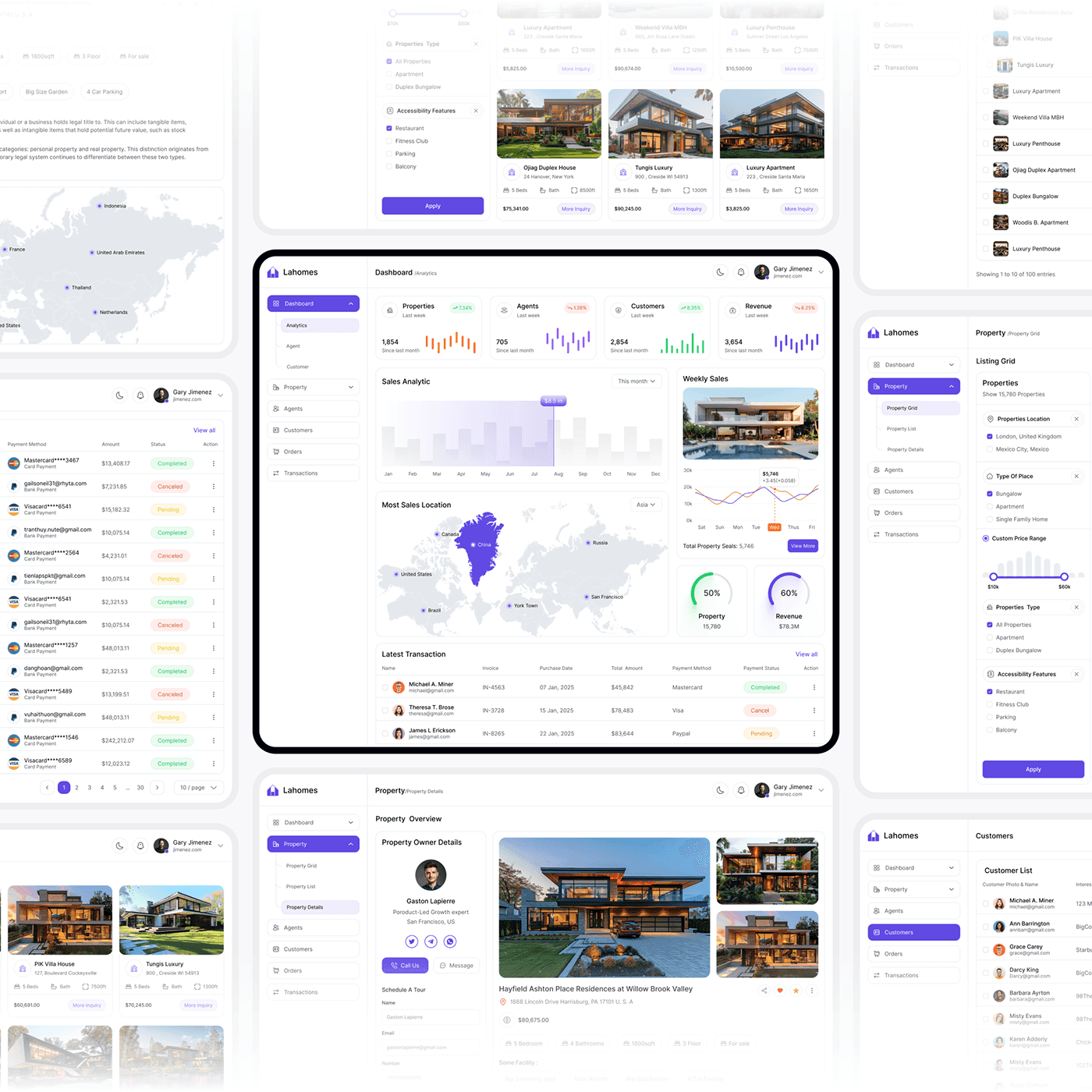
ERP dashboard preview
One source of truth with clean workflows and reporting.
0
Single source of truth for all teams
0%
Reduction in duplicate data entry
0wk
Week implementation for core workflows
0%
Audit trail coverage on key actions
What is CRM system architecture?
We architect systems, not just install tools. CRM, ERP-style operations, integrations, and data flow design built around how your business actually runs.
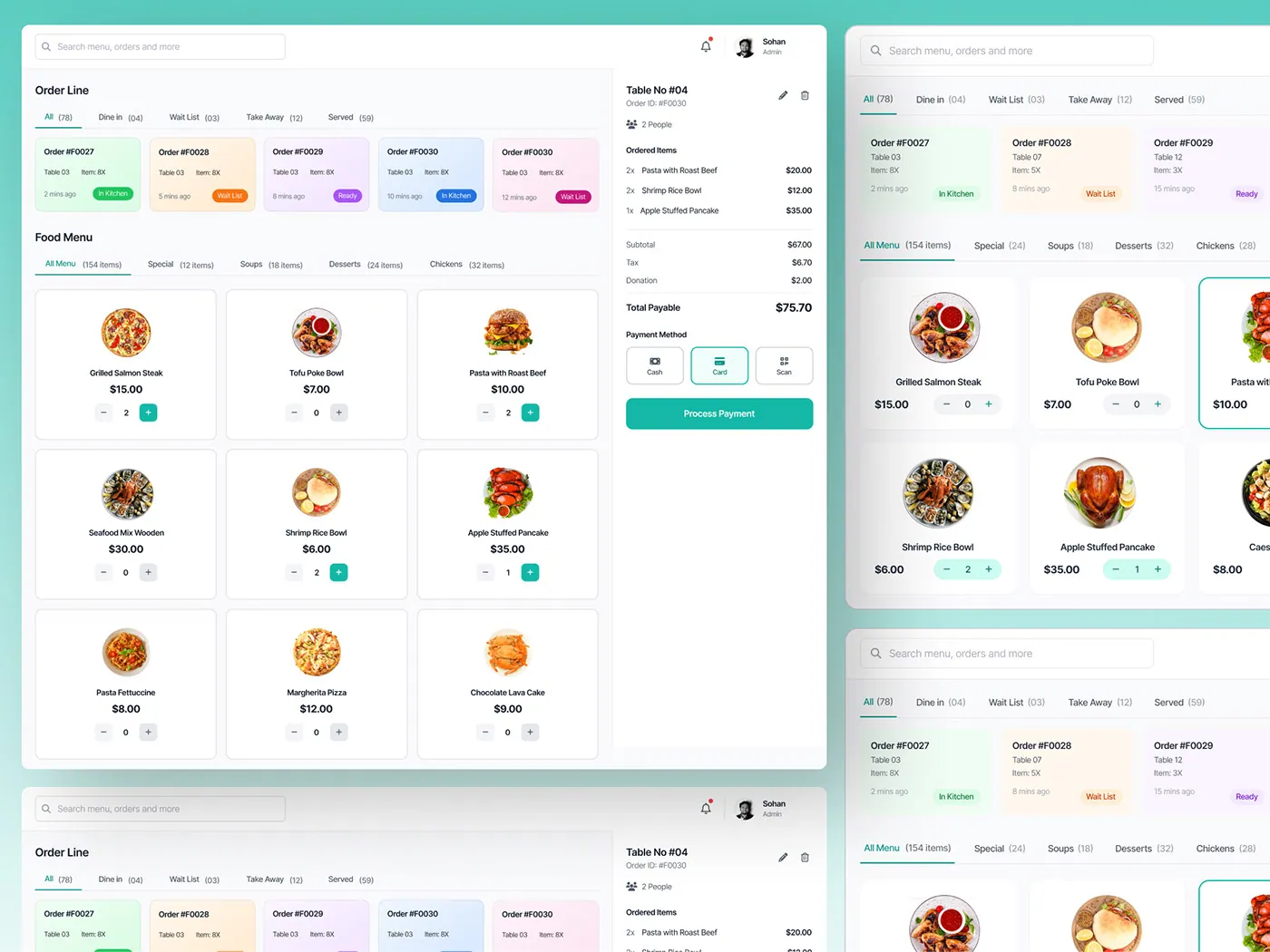
The Cost of Fragmented Data
When your sales team uses one tool, operations uses another, and finance reconciles everything in a spreadsheet, the real cost is not the subscriptions. It is the hours lost to duplicate entry, the decisions made on stale numbers, and the deals that slip because nobody saw the handoff was stuck.
- Sales says a deal closed last week; finance has no record of the invoice
- Onboarding stalls because three tools need the same client data entered separately
- Monthly reports take days to compile because data lives in five different places
- New hires take weeks to learn which tool to check for which information
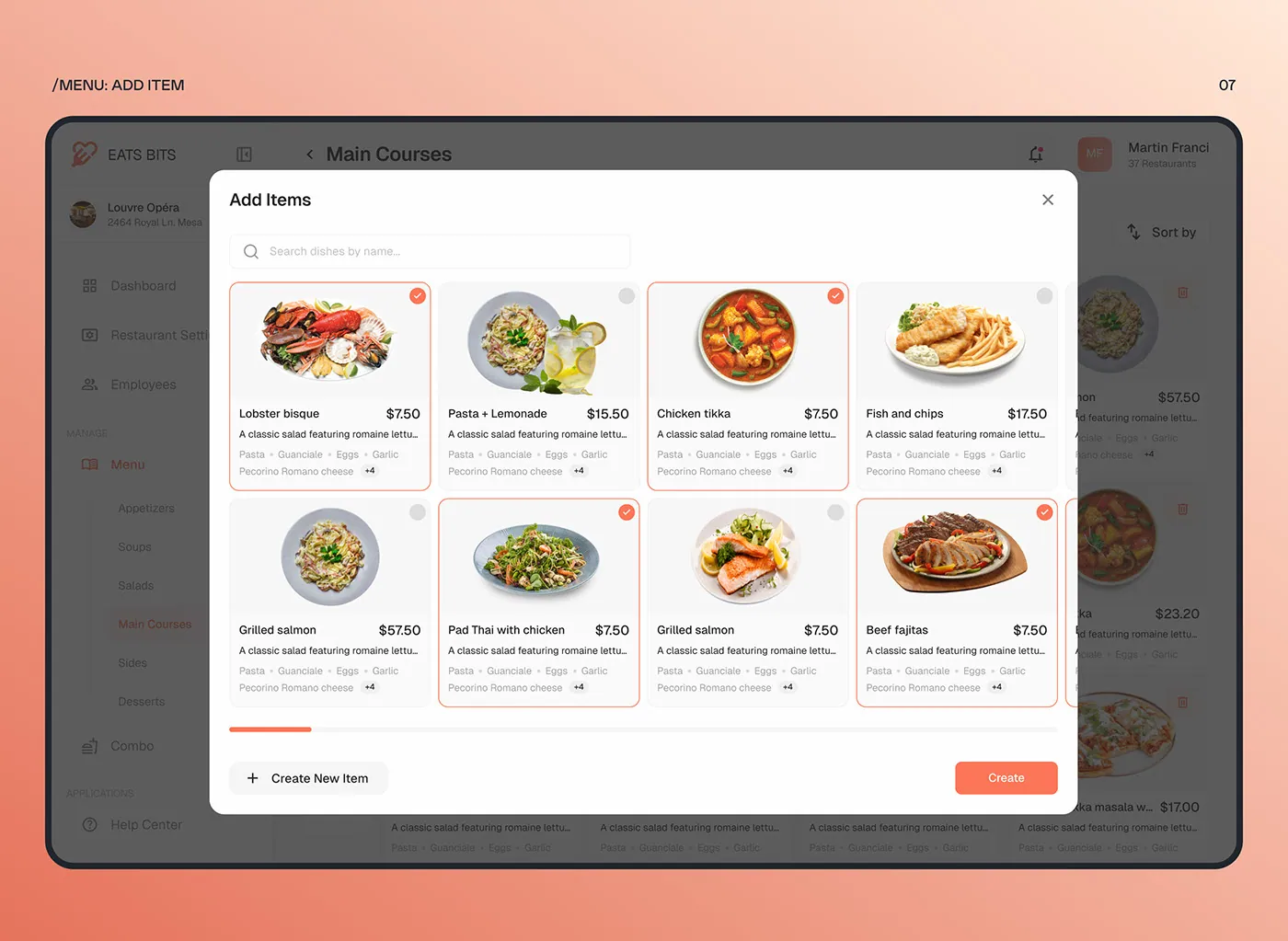
Designing the Source of Truth
We start by mapping your actual workflows: who touches what data, when, and why. Then we design a data model that reflects how your business really operates, not a generic template. The result is a system where every team looks at the same numbers and every handoff has clear ownership and deadlines.
- Entity relationship model built around your specific business objects
- Validation rules that prevent bad data from entering the system
- Permission model that matches your org chart and reporting hierarchy
- Audit trail on every change so you can trace any number back to its source
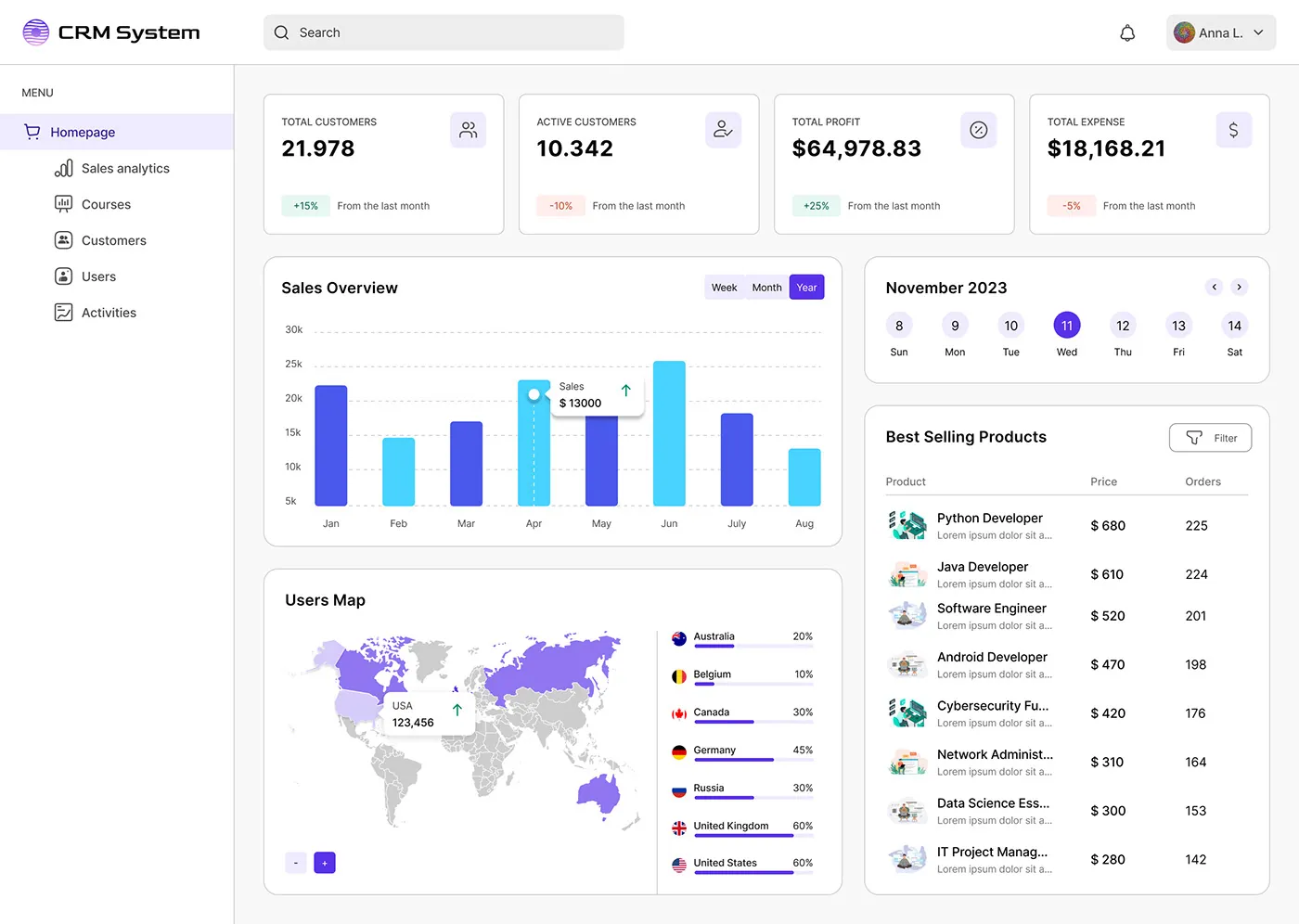
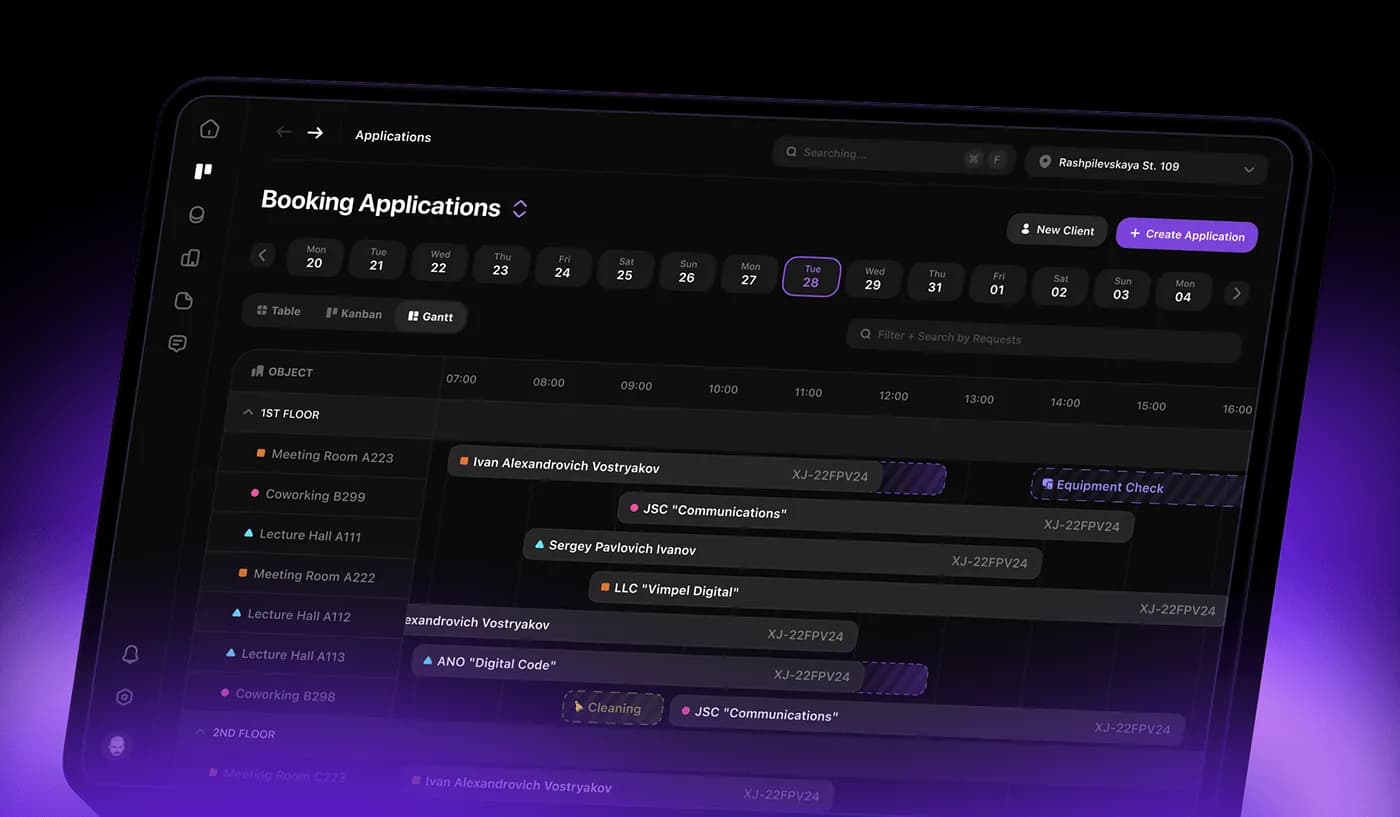
System UI previews (drag + resize)
Examples of dashboards and workflows that keep teams aligned with fewer tools.
Live preview
Drag enabled
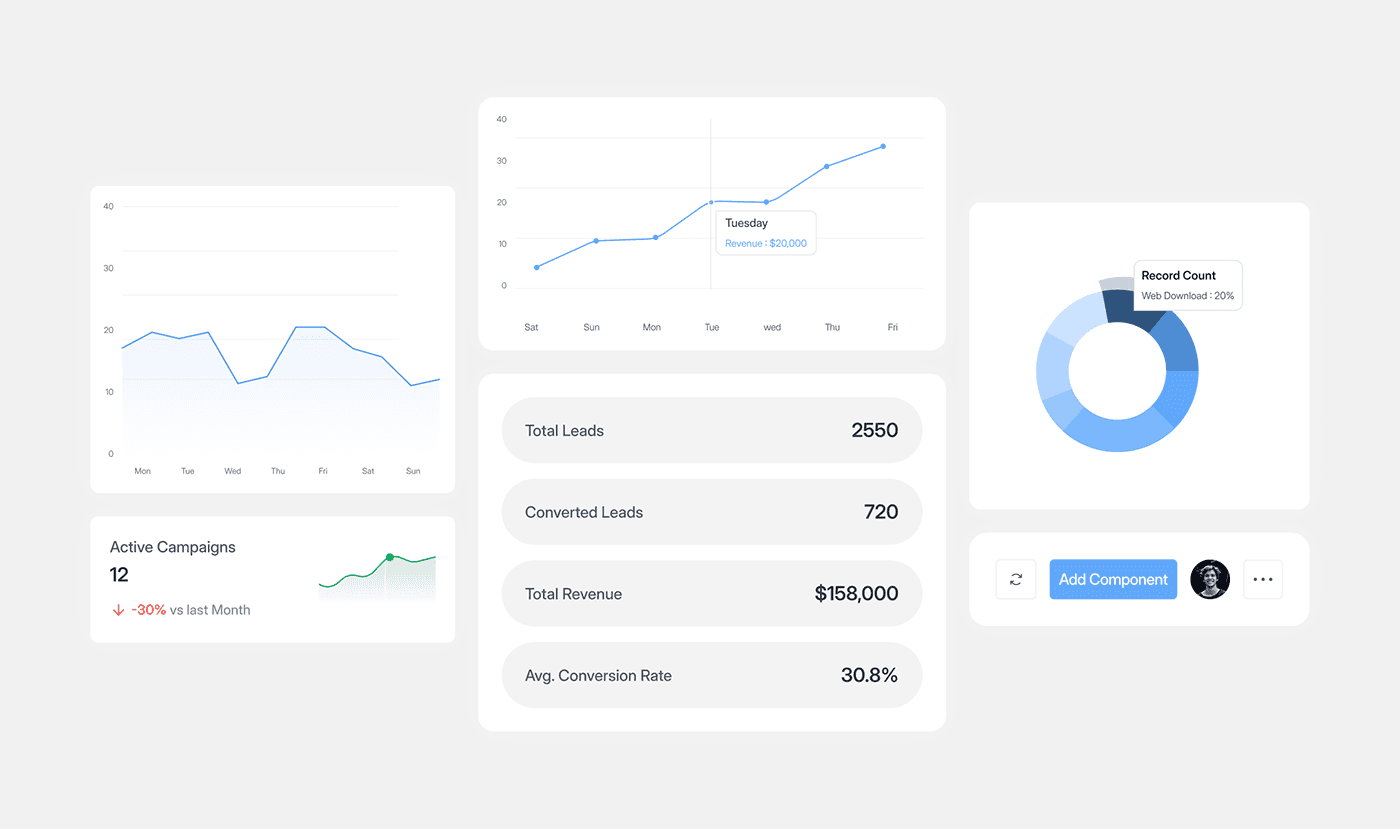
Pipeline clarity: stages, ownership, and next actions.
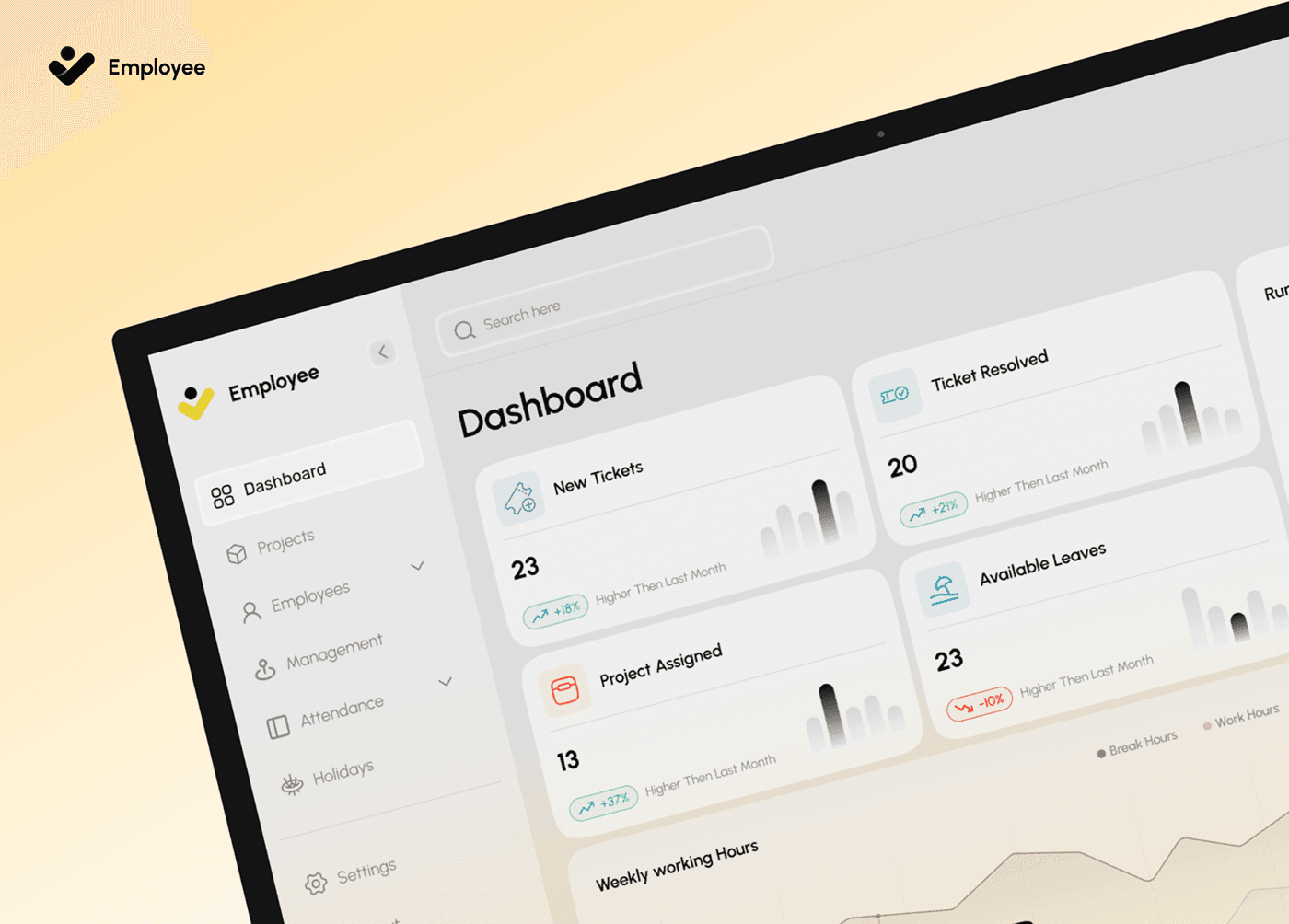
Operational workflows that reduce errors and handoffs.
Why this matters
Each preview is tied to a real deliverable. Hover, drag, and resize to explore the layout patterns.
Drag the previews to inspect the interface. Any card marked with "Open full layout" can expand into a scrollable fullscreen walkthrough.
Tip: press Esc to close the full layout viewer.
What changes when you work with us
Side-by-side breakdown so you can see exactly where the value shows up.
Without a system
With Techlancers
Data consistency
Different numbers in different tools, no one trusts reporting
One source of truth with validation rules and ownership
Tool sprawl
8+ tools with overlapping features and manual syncing
Consolidated system with clean integrations where needed
Reporting
Vanity dashboards that do not match real operations
Reports tied to actual process stages with real-time accuracy
Handoffs
Dropped tasks, unclear ownership, email chains
Automated handoffs with permissions, SLAs, and audit trails
What we deliver
Every deliverable is scoped, documented, and built to production standards.
System architecture + data flow design
A clear map of how data moves between teams, tools, and processes so nothing falls through the cracks.
CRM implementation or custom CRM build
Either configure an existing platform properly or build a custom solution when off-the-shelf tools create more problems than they solve.
ERP-style operational workflows
Structured processes for orders, fulfillment, service delivery, and finance ops with permissions and accountability.
Integrations + automation (clean handoffs)
Reliable connections between your tools that sync data correctly and alert you when something breaks.
How it works
Click each step to see the output. Clear phases with measurable milestones at every stage.
Step 1 of 3
Audit
Output: Tool and data inventory + gaps and risks
Designed to be reviewable by stakeholders in minutes, not days.
Built for predictable iteration with no surprises late in the build.
Our Approach to CRM and ERP Architecture
We do not install a tool and walk away. We design the architecture first, then implement what fits your constraints. Sometimes that means configuring an existing platform properly. Sometimes it means building a custom system when off-the-shelf tools create more problems than they solve. Either way, the goal is one source of truth that your whole team trusts.
60%
Duplicate data reduction
4 weeks
Core workflow delivery
100%
Audit trail coverage
Single
Source of truth
Tech stack and tools
We pick tools based on your constraints, not trends. Hover each card to see why it is in the stack.
ApplicationDatabaseBackendFrontendAutomationCaching
Custom CRM BuildApplication
Hover to see why we use this
PostgreSQLDatabase
Hover to see why we use this
Node.js / .NETBackend
Hover to see why we use this
ReactFrontend
Hover to see why we use this
Zapier / n8nAutomation
Hover to see why we use this
RedisCaching
Hover to see why we use this
Common use cases
Click a use case to see how this service applies to your situation.
Sales pipeline management
Clear stages, ownership, and next actions so deals do not stall in limbo.
Fixed scope with clear milestones so you know exactly what ships and when.
Measurement built in from day one so you can prove ROI to stakeholders.
Pipeline managementWorkflow automationReal-time dashboardsRole-based accessData migrationCustom integrationsAudit trailsAutomated handoffsEntity modelingProcess mappingPipeline managementWorkflow automationReal-time dashboardsRole-based accessData migrationCustom integrationsAudit trailsAutomated handoffsEntity modelingProcess mapping
Capabilities at a Glance
The Problem With Generic Tools
Off-the-shelf CRMs force your team into someone else's workflow. Your sales process has unique stages, your operations team has specific routing rules, and your reporting needs do not match a template. We build CRM and ERP systems that reflect how your business actually works, so the tool supports your process instead of fighting it.
From Spreadsheets to a System
Most growing businesses outgrow spreadsheets before they realize it. The first sign is usually conflicting data: sales says one thing, operations says another, and finance cannot reconcile either. A properly designed system eliminates this by making every team work from the same data with clear ownership and permissions.
A unified CRM dashboard showing deal stages, team ownership, and pipeline forecasts.
Measurable outcomes
Every engagement is measured against real business metrics. Here is what you should expect.
Faster deal velocity
Sales reps spend less time on data entry and more time closing because the system handles routing and reminders.
Trusted reporting
Leadership can make decisions based on numbers that actually reflect reality, not stale spreadsheets.
Fewer dropped handoffs
Every task has an owner, a deadline, and an audit trail so nothing gets lost between teams.
Lower tool spend
Consolidating redundant subscriptions and eliminating manual workarounds reduces monthly costs.
Frequently asked questions
Straight answers to the questions we hear most. Need something more specific? Book a quick call.
Do you only install tools?
No. We design the architecture first, then implement what fits your constraints. Sometimes that means configuring existing tools properly. Sometimes it means building something custom.
What if our data is messy?
That is normal. We plan migration in phases with validation and rollback paths so nothing gets lost during the transition.
How long does a CRM/ERP project take?
Core workflow implementation typically ships in 3 to 6 weeks. Complex integrations and data migration can extend timelines depending on the number of systems involved.
Can you work with our existing CRM?
Yes. We often improve existing setups by fixing data models, adding automation, and connecting tools that were not talking to each other properly.
Do you provide training?
Every project includes documentation and training sessions so your team knows how to use and maintain the system after delivery.
What about ongoing support?
We offer maintenance plans for ongoing optimization, new feature requests, and troubleshooting.
Ready for a build plan?
Book a quick fit call. Response in 24 hours.